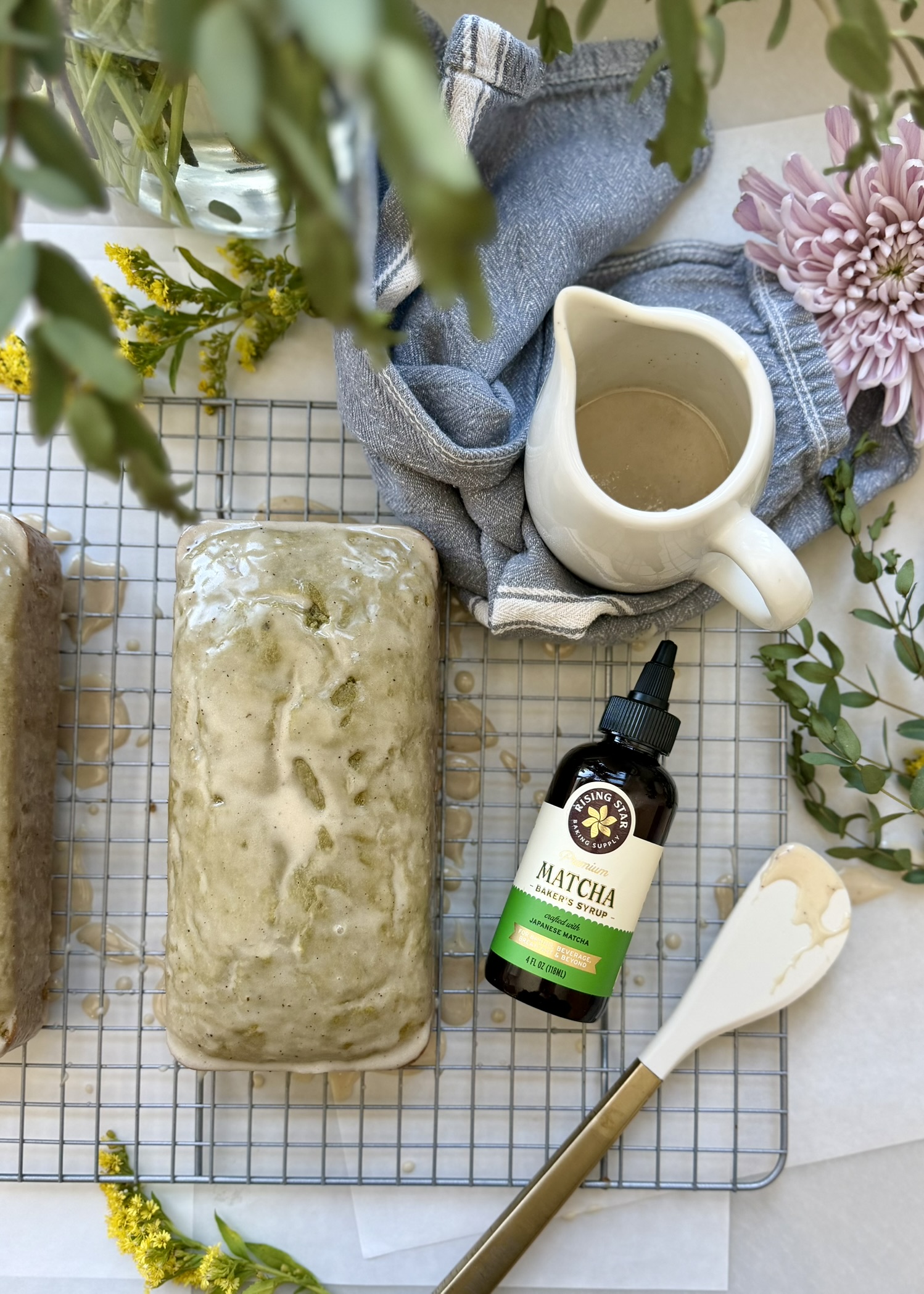
Donut Loaves
Matcha Donut Loaf
Two soft matcha donut loaves with vanilla bean, a little malt, a crackly vanilla glaze, and matcha syrup for drizzling each slice.
Prep
20 min
Bake
30 min
Total
1 hr 30 min
Yield
Two 7.75 x 3.75-inch loaves
A note from my kitchen
Before you bake this
This is the donut loaf I would make for someone who already loves matcha, and also for someone who is still deciding.
Matcha can be a little tricky in baking because it has a naturally grassy, slightly bitter edge. Here it gets rounded out with vanilla bean, optional malt, a soft loaf crumb, and a glaze that sets like the top of a donut.
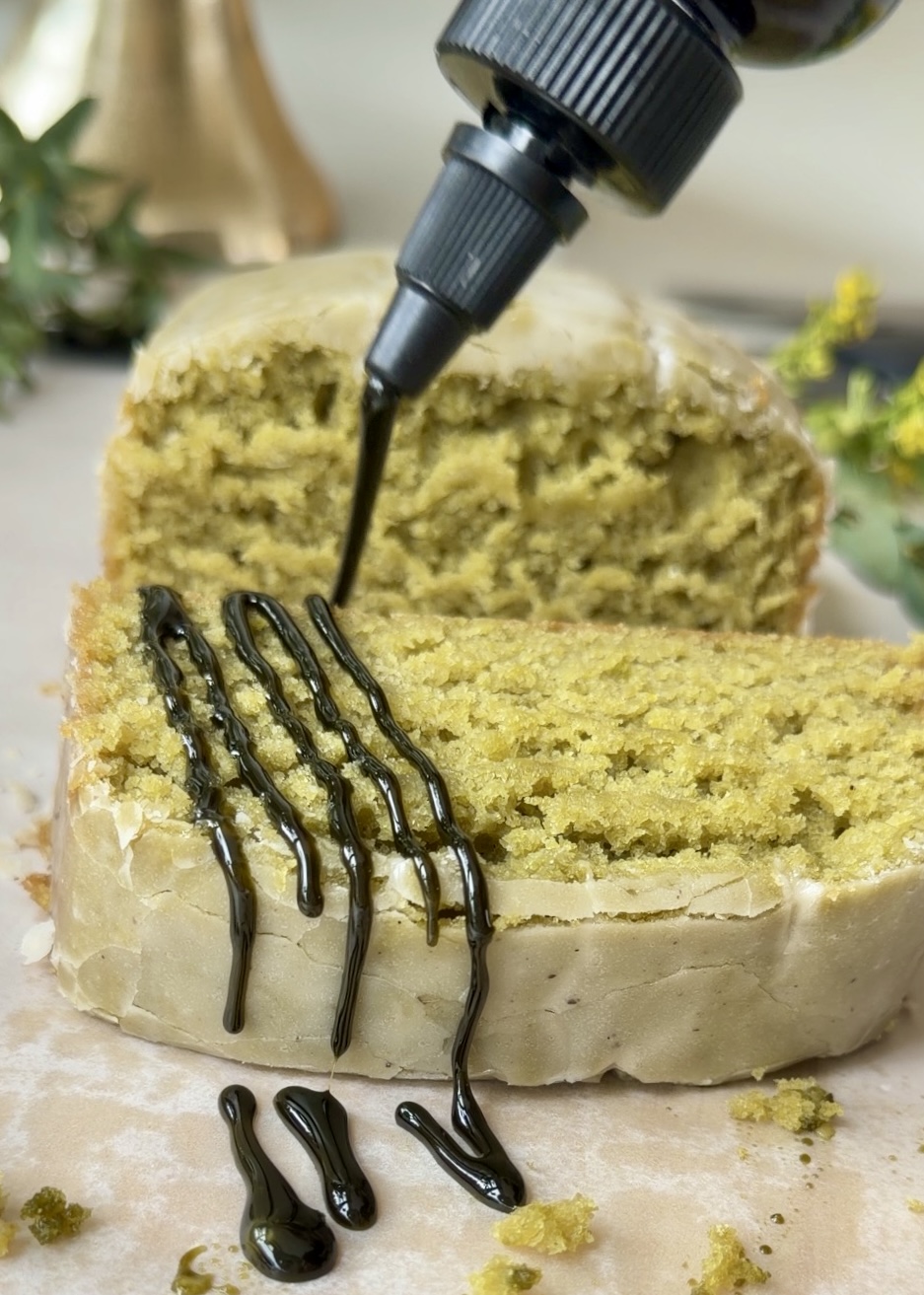
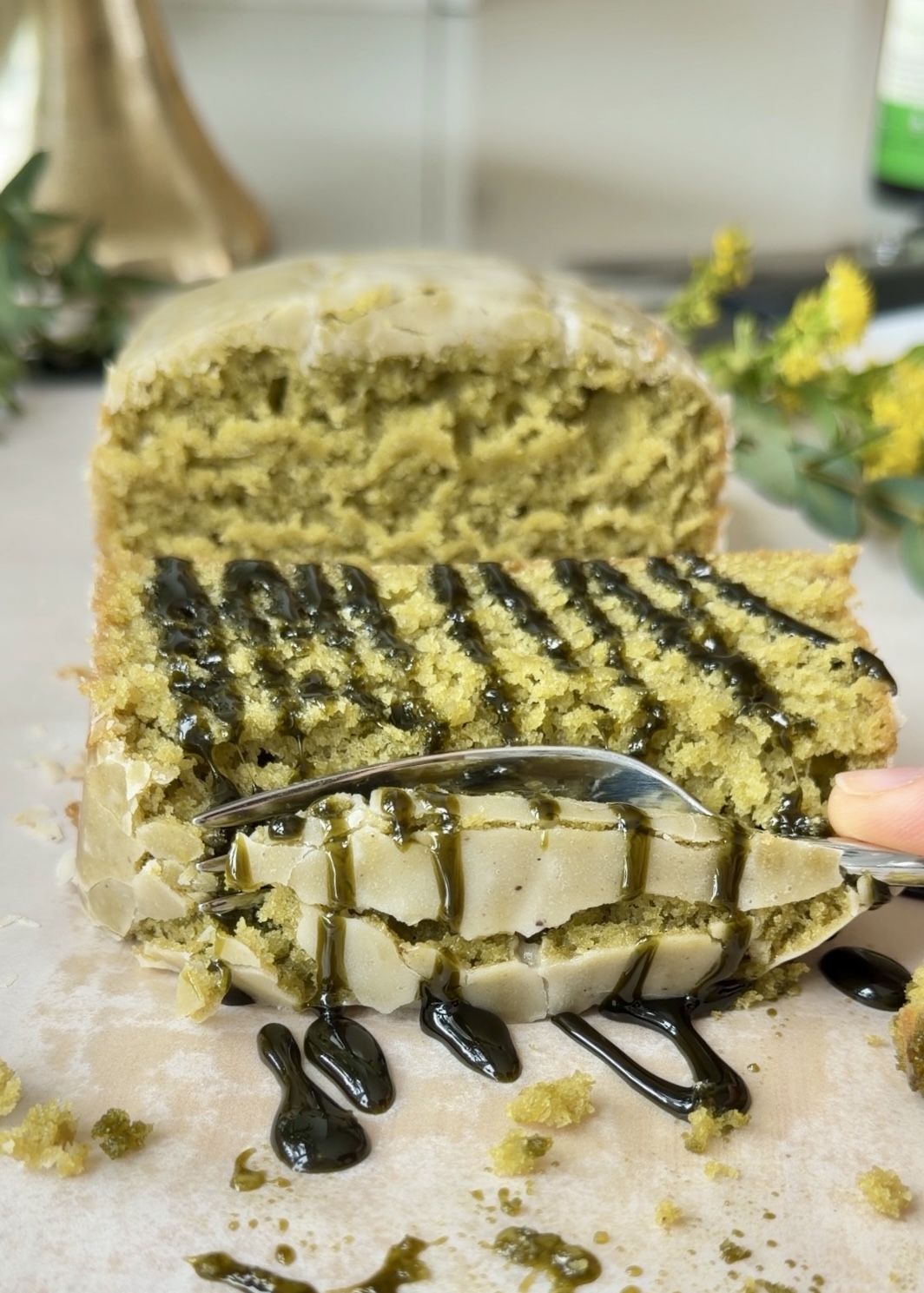
The slice is tender on its own, but the matcha syrup drizzle is what makes it feel complete. Add as much or as little as you like right before serving.
Save me a slice ;)
Donut loaf
What makes a donut loaf a true donut loaf
A donut loaf is soft, glazed, and gently creased through the center. This one keeps the matcha crumb tender and the glaze thin, with just enough old-fashioned donut energy to make each slice feel special.
Read this first
The quick notes.
Flavor
Matcha, vanilla bean, light malt, and a sweet donut-style glaze.
Texture
Soft mini loaves with a tender crumb and a thin glaze that sets as it rests.
Best moment
Drizzling matcha syrup over a slice once the glaze has set.
Pan check
Pan and oven notes
Fill level
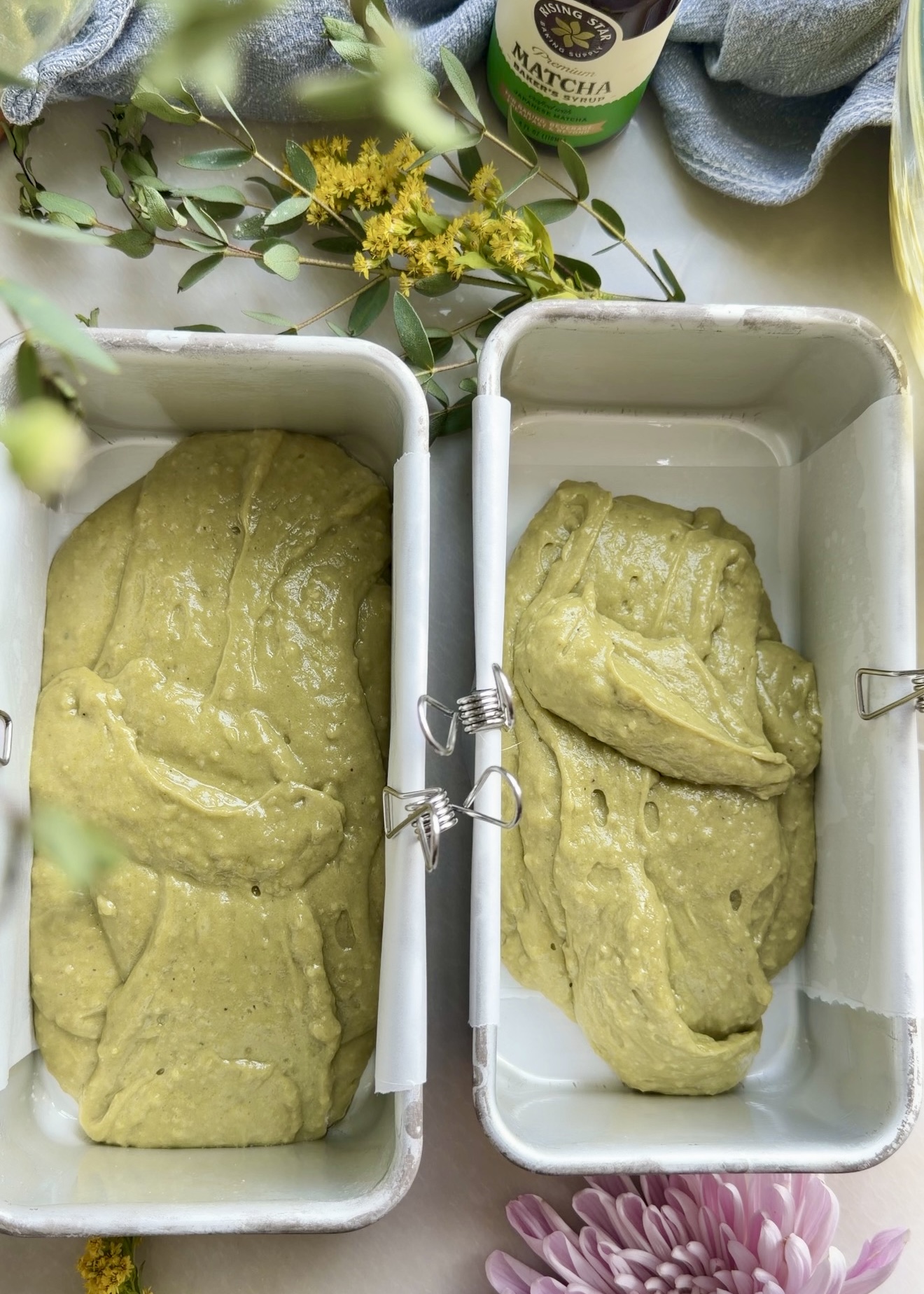
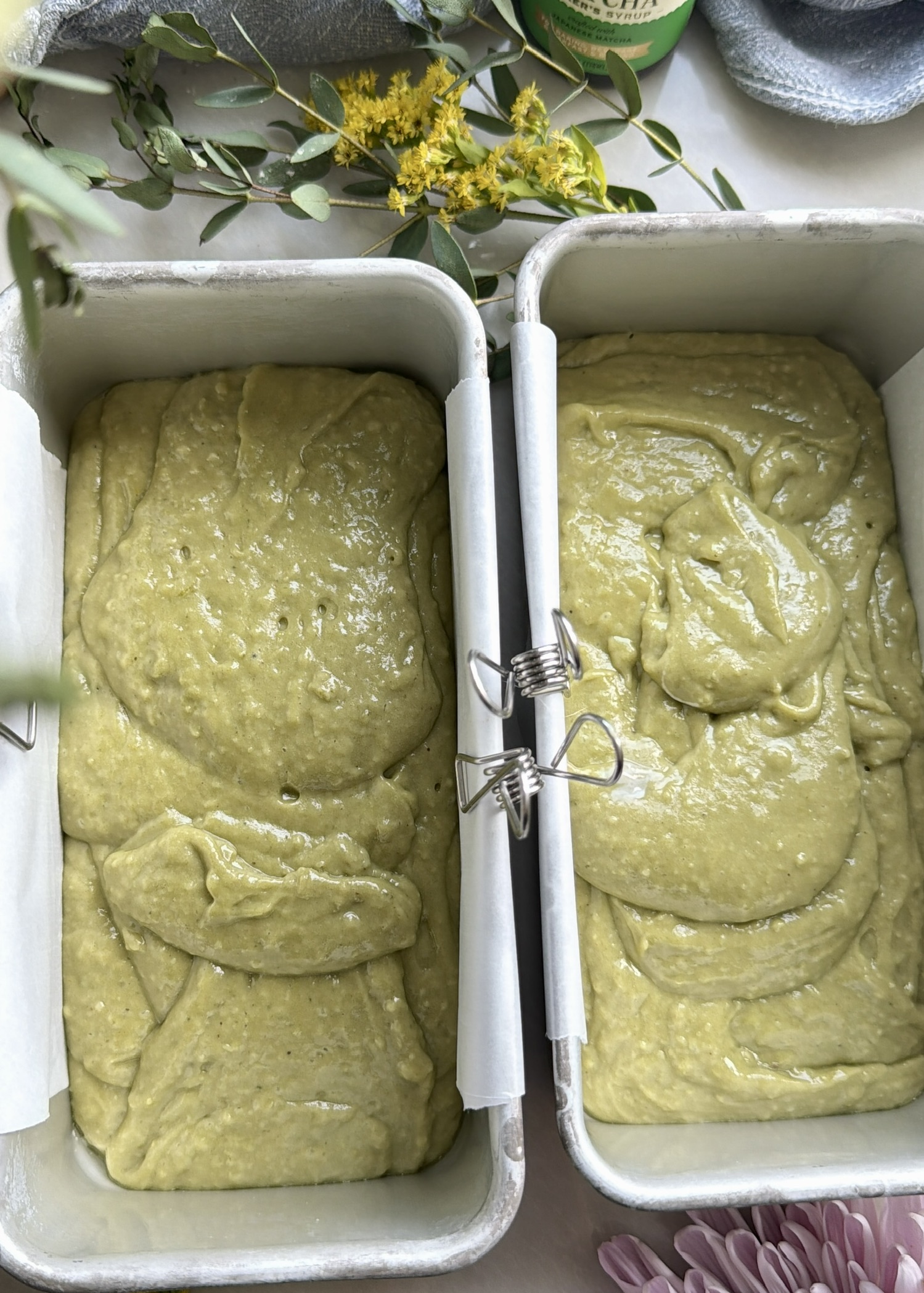
It is more important to fill your pan to the right level than to use every bit of batter. I do not recommend filling above about 2/3 full, even if that means you have a little batter left over.
Oven personality
My oven runs very fast, so the lower end of the bake time reflects a fast oven. If your oven usually takes longer, expect to land closer to the higher end, and sometimes 10-15 minutes beyond it. Use the visual cues in the recipe first.
Pan material
I test with Fat Daddio's anodized aluminum pans. Light aluminum heats evenly and gently; dark metal can brown and set edges faster; glass and ceramic hold heat longer and may need more time. None of these are wrong, they just bake at their own pace.
Ingredient notes
Key ingredients
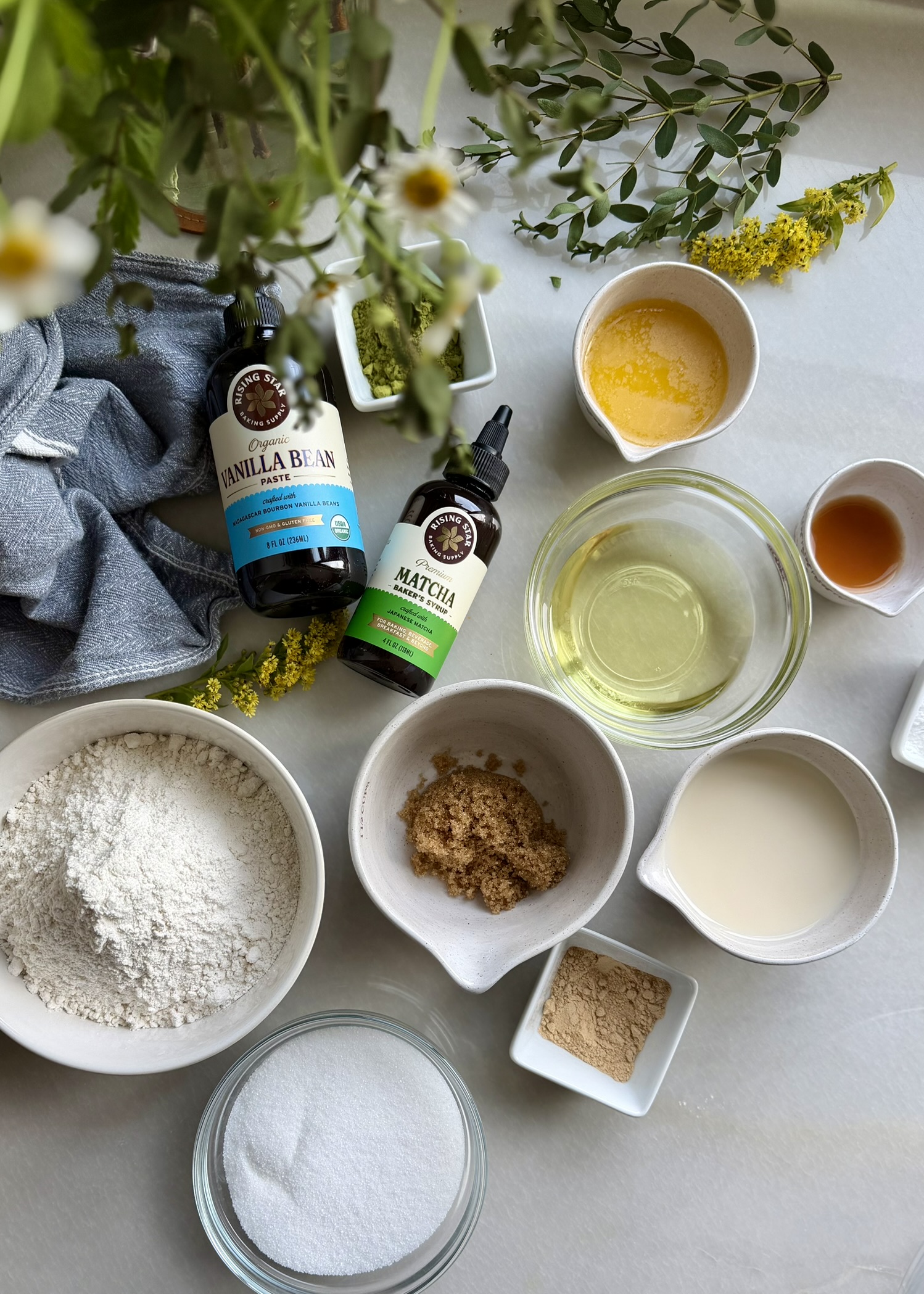
Jade matcha powder
Use a matcha you enjoy drinking or baking with. Matcha is ground tea leaf, so old or dull powder can taste flat, bitter, or dusty once baked.
Matcha syrup
The syrup lets you add a deeper matcha finish after baking without pushing the powder too far in the batter. I love it over the slices because you can choose your own intensity.
Vanilla bean paste
Vanilla softens matcha's green, earthy edge and makes the loaf taste warmer. It is subtle, but it keeps the matcha from feeling sharp.
Non-diastatic malt powder
Malt adds a quiet bakery flavor and helps the donut-loaf notes come through, but it is optional. It should support the matcha, not take over.
Cornstarch
Cornstarch softens the flour so the loaves bake up more tender. It helps keep the crumb from feeling too bready.
Powdered sugar glaze
The glaze is intentionally simple. It sets into a thin shell as it rests, either at room temperature or in the refrigerator, which is what makes the loaf feel more like a donut.
Brand notes
Brands that matter here
For the ingredients where brand choice changes texture, set, or flavor, these are the tested options I use.
Yogurt
Plain unsweetened yogurt
Plain unsweetened yogurt adds moisture, acidity, and body so the crumb bakes up tender without tasting tangy.
- 01Forager Unsweetened Plain Yogurt
- 02Silk Plain Unsweetened Yogurt
Milk
Milk
Milk affects how smoothly a batter, filling, or frosting comes together. Soy milk and Ripple tend to emulsify well because their protein and fat help create body and a creamier finish than many thinner nut milks.
- 01Silk Original Unsweet
- 02Plain unsweetened soy milk
- 03Ripple Original
- 04Oatly Barista Edition
Butter sticks
Plant butter sticks
Use plant butter sticks, not tubs, especially for buttercream and fillings that need to hold their shape.
- 01Country Crock Plant Butter Sticks
- 02Violife Plant Butter Sticks
- 03Earth Balance
- 04Miyoko's
Testing notes
Why this works
Why matcha needs balance
Matcha is the whole tea leaf ground into a fine powder, so it brings flavor, color, and tannins. Sugar, fat, milk, vanilla, and optional malt round it out so the loaf tastes soft instead of bitter.
Why the matcha is whisked carefully
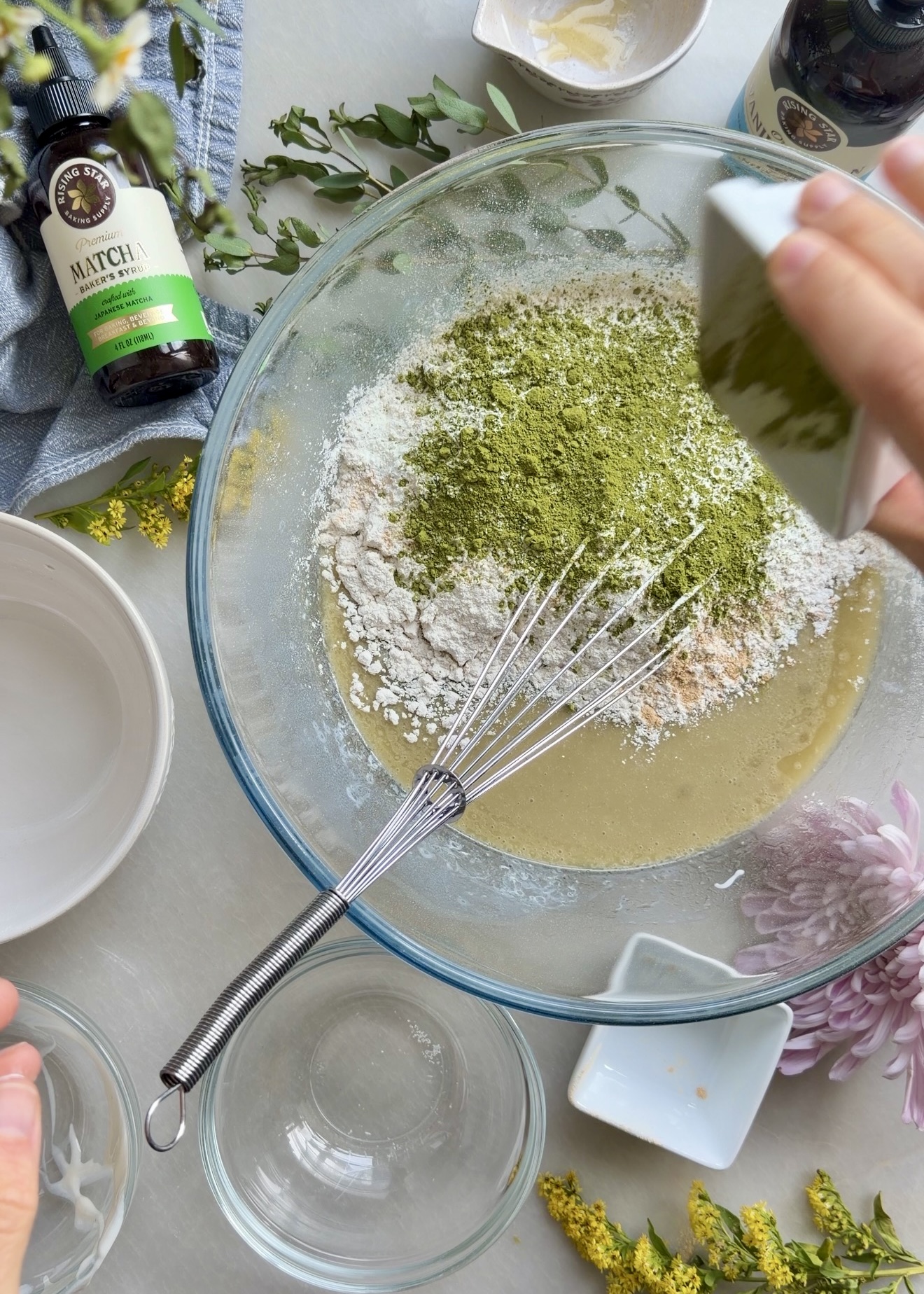
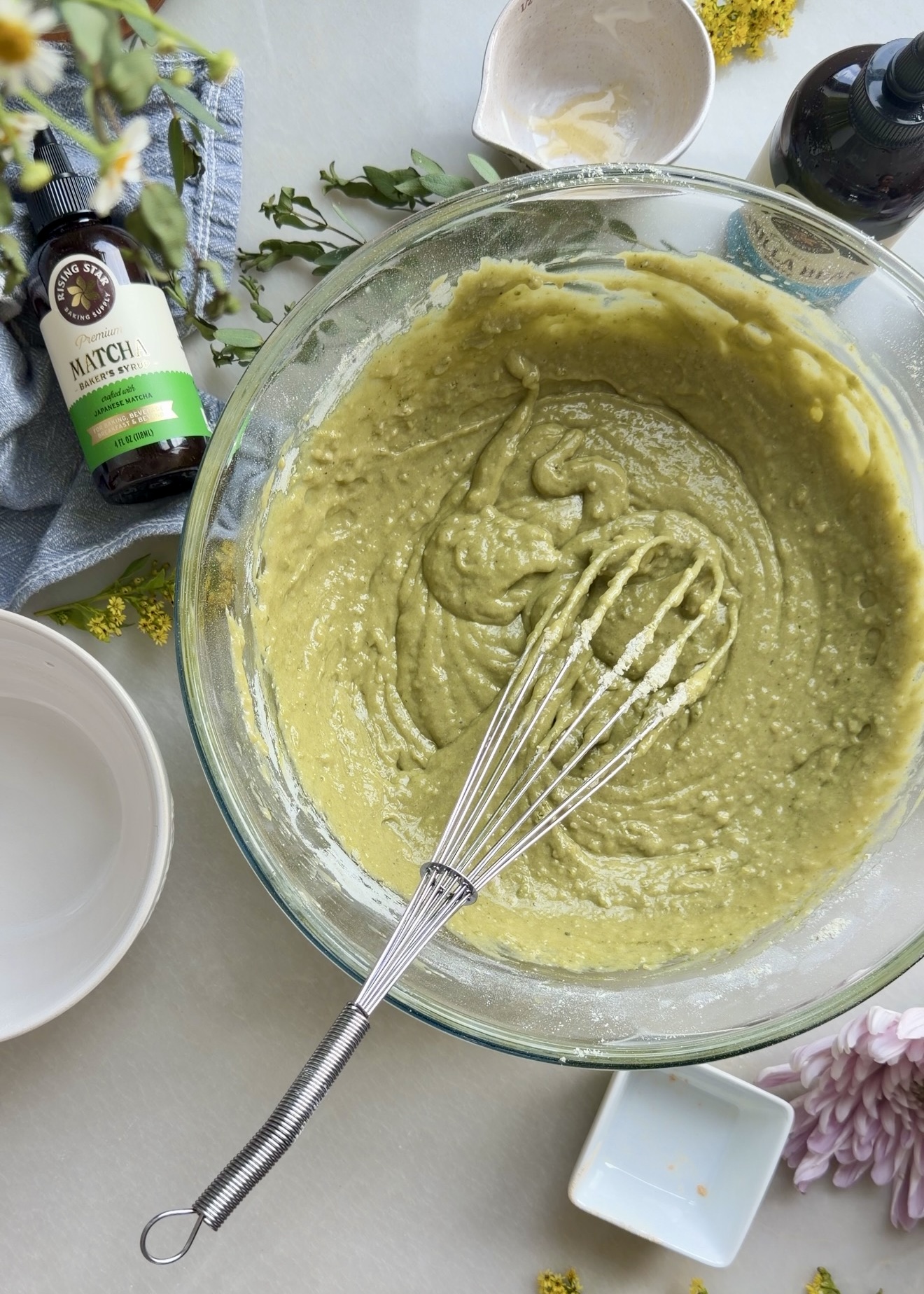
Matcha likes to clump. Whisk until the color looks even and no dry streaks remain, but stop there so the loaves stay tender.
Why malt belongs here
Non-diastatic malt powder gives a gentle toasted sweetness that reads almost bakery-style. It pairs beautifully with vanilla and makes the donut side of the loaf more believable, but the loaf still works without it.
Why two smaller loaves work well
Smaller loaf pans help the matcha crumb bake through before the edges dry out. They also give you more glaze-covered surface, which is never a bad thing here.
Why the glaze sets before slicing
The glaze needs time to set into that crackly donut shell. You can let it set at room temperature or use the refrigerator if you want to speed things up; just make sure it is completely set before slicing.
How it comes together
From Instagram
Watch the reel
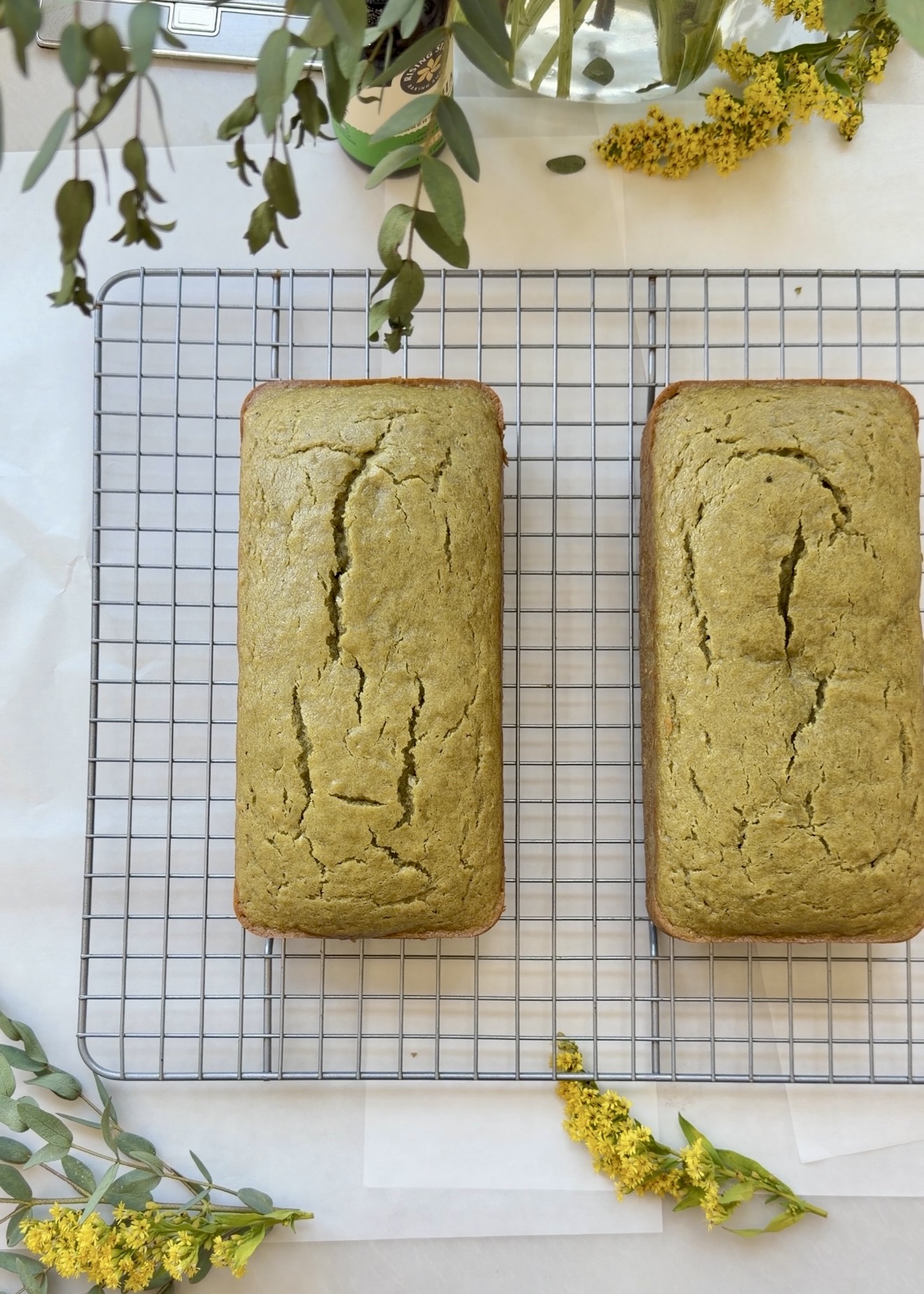
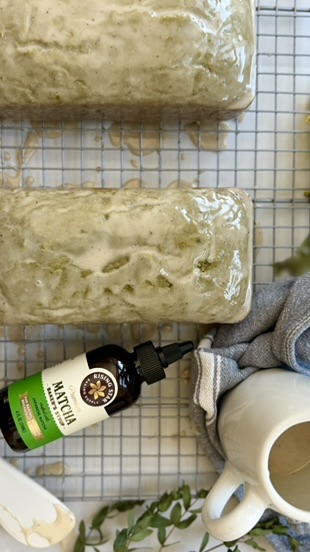
Watch the matcha loaves come together before the glaze sets and the slices get their matcha drizzle.
Open the reelSmall things that matter
Tips for the best loaf
Use fresh matcha. If it smells stale or dusty, the loaf will taste that way too.
Whisk the wet ingredients until they look smooth before adding the dry ingredients.
Add the dry ingredients directly to the bowl, then whisk only until the batter is even and no dry pockets remain.
Do not overmix. Matcha loaves can turn dense if the batter is worked too much.
Tent the loaves loosely with foil if the tops are set and lightly colored before the centers are done.
Pour the glaze while the loaves are still slightly warm if you want it to hug the sides, then let it set completely at room temperature or in the refrigerator.
Drizzle the matcha syrup on each slice right before serving so the flavor stays clear and fresh.
Before you slice
Texture and serving notes
Let the glaze fully set before slicing if you want the cleanest pieces.
Add matcha syrup to each slice instead of the whole loaf so everyone can choose how strong they want it.
This loaf is especially good with coffee, milk, or tea because the vanilla and matcha have room to come through.
Keep it good
Storage
Counter
Store covered at room temperature for up to 1 day.
Airtight
Refrigerate in an airtight container for up to 4 days.
Serve
Let slices sit at room temperature before serving so the crumb softens again.
Recipe FAQ
Questions that come up
How do I know when Matcha Donut Loaf is done baking?
Use the visual cues in the recipe first, then check the center. Loaves can take longer depending on your oven and pan material, so do not be surprised if you need a few extra minutes.
Which brands work best for Matcha Donut Loaf?
Only for the ingredients where brand choice changes texture, set, or flavor. Those are listed in the brand notes on this page so you know where to be more specific and where you have room.
How full should I fill the loaf pan for Matcha Donut Loaf?
I do not recommend filling the pan above about 2/3 full. It is better to have a little batter left over than to risk overflow, especially with rich loaves.
Why is my donut loaf taking longer to bake?
That is normal. My oven runs fast, so the lower end of the bake-time range reflects that. If your oven runs slower, use the higher end of the range and keep baking until the visual cues line up.
How should I store Matcha Donut Loaf?
Store covered at room temperature for up to 1 day.