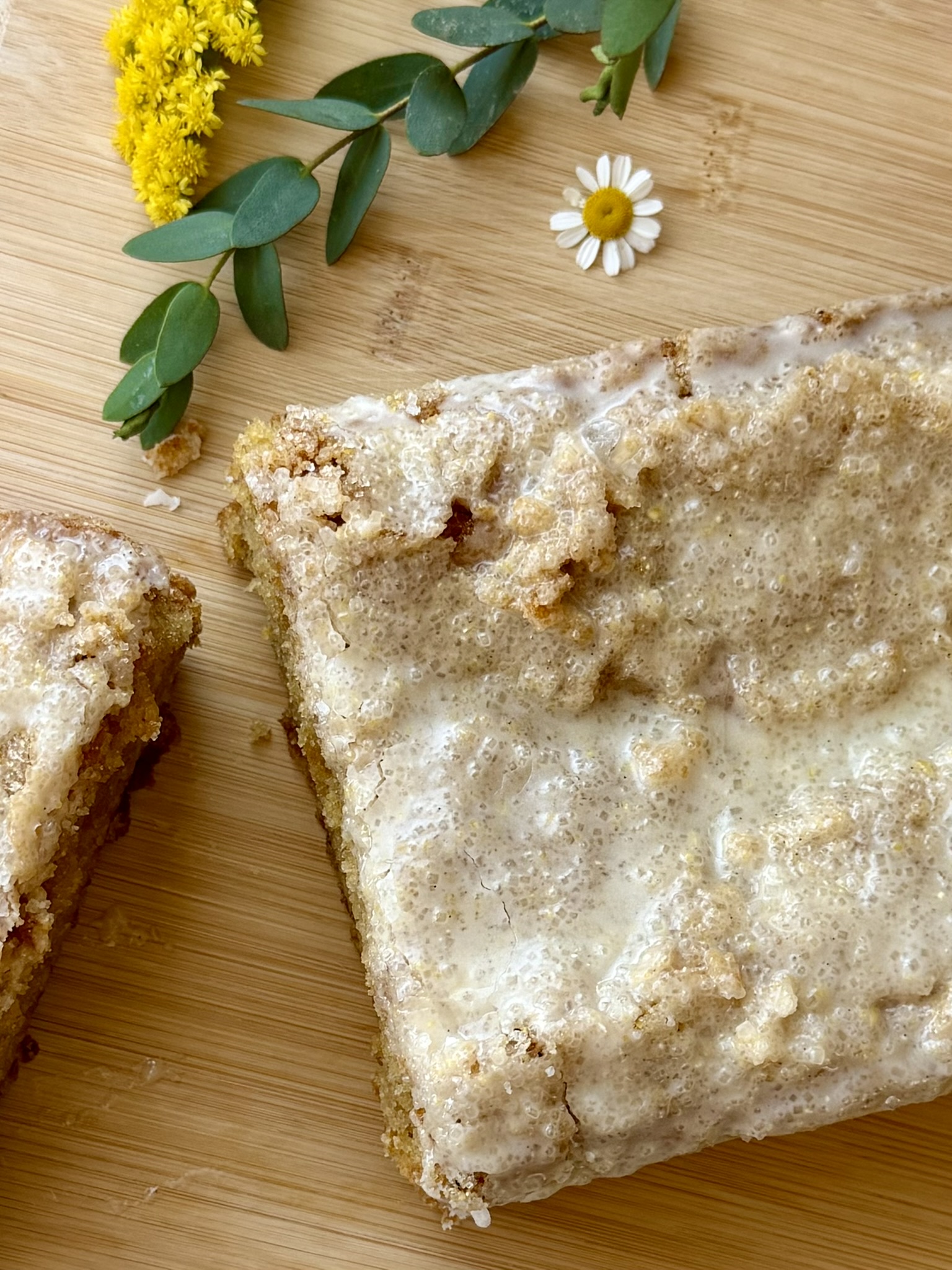
Donut Loaves
Cornbread Donut Loaf
A brown sugar cornbread donut loaf with a soft cornmeal crumb, crackly sugar crust, and optional vanilla glaze.
Prep
20 min
Bake
45 min
Total
4 hr 30 min
Yield
One 9x5-inch loaf
A note from my kitchen
Before you bake this
This loaf is cornbread with a sweet tooth. It has that golden cornmeal flavor I love, with brown sugar, vanilla, and a crackly sugar crust that makes it feel like dessert.
It is soft, a little hearty, and so good around the edges. The flavor feels familiar in the sweetest way.
I love this one for the person who always wants the corner piece, the crunchy top, and one more little slice.
Save me a slice ;)
Donut loaf
What makes a donut loaf a true donut loaf
A donut loaf is plush, glazed, and a little dramatic through the middle. The gooey center crease is the bite worth stealing first: soft, tucked under a thin glaze, and reminiscent of the center of a cinnamon roll. A little nutmeg keeps the crumb in old-fashioned donut territory.
Read this first
The quick notes.
Flavor
Brown sugar, vanilla, yellow cornmeal, nutmeg, and a little salt.
Texture
Soft and slightly hearty, with a crisp sugar-cornmeal top.
Best moment
The first clean slice after the crumb has had time to settle.
Pan check
Pan and oven notes
Fill level
These loaves are intentionally decadent and high-moisture, so the fill level matters. I do not recommend filling above about 2/3 full, even if that means you have a little batter left over.
Oven personality
My oven runs very fast, so the lower end of the bake time reflects a fast oven. If your oven usually takes longer, expect to land closer to the higher end, and sometimes 10-15 minutes beyond it. Use the visual cues in the recipe first.
Pan material
I test with Fat Daddio's anodized aluminum pans. Light aluminum heats evenly and gently; dark metal can brown and set edges faster; glass and ceramic hold heat longer and may need more time. None of these are wrong, they just bake at their own pace.
Ingredient notes
Key ingredients
Finely ground yellow cornmeal
Finely ground cornmeal gives the loaf its cornbread flavor without making the crumb gritty. Coarser cornmeal can make the texture feel heavier.
Light brown sugar
Brown sugar gives the loaf warmth, moisture, and a softer sweetness than granulated sugar alone.
Room-temperature yogurt and milk
Room-temperature ingredients blend more smoothly with the oil and sugar, which helps the loaf bake up even and tender.
Coarse sanding sugar
Sanding sugar stays crunchy on top as the loaf bakes. Mixed with a little cornmeal, salt, and nutmeg, it gives the crust that donut-shop finish.
Brand notes
Brands that matter here
For the ingredients where brand choice changes texture, set, or flavor, these are the tested options I use.
Yogurt
Plain unsweetened yogurt
Plain unsweetened yogurt adds moisture, acidity, and body so the crumb bakes up tender without tasting tangy.
- 01Forager Unsweetened Plain Yogurt
- 02Silk Plain Unsweetened Yogurt
Milk
Milk
Milk affects how smoothly a batter, filling, or frosting comes together. Soy milk and Ripple tend to emulsify well because their protein and fat help create body and a creamier finish than many thinner nut milks.
- 01Silk Original Unsweet
- 02Plain unsweetened soy milk
- 03Ripple Original
- 04Oatly Barista Edition
Testing notes
Why this works
What binds the loaf without eggs
The yogurt, flour, cornstarch, and sugar work together to give the loaf structure. Yogurt adds moisture and body, while the flour and starch set as the loaf bakes, so eggs are not needed for this style of soft donut loaf.
Why there is apple cider vinegar
The vinegar reacts with the baking soda and helps give the loaf lift. It also balances the sweetness a little. You should not taste vinegar in the finished loaf.
Why room-temperature ingredients matter
Room-temperature yogurt and milk blend more smoothly with the oil and sugar. This helps the batter come together evenly, which gives the loaf a softer crumb and a more even bake.
Why the batter rests before baking
A short 5-8 minute rest gives the cornmeal time to hydrate. That keeps the finished loaf softer and helps prevent a gritty crumb.
Why the loaf rests so long in the pan
Cornmeal loaves need more time to settle after baking. The loaf is fully baked when it reaches temperature, then the pan rest lets the crumb firm up gently so it lifts out cleanly, slices neatly, and keeps its shape.
Why the loaf chills before slicing
The chill firms the crumb and sugar crust so the loaf slices cleanly. It is especially helpful if you want tidy slices, and you can let pieces come back toward room temperature before serving.
Why the glaze amount is generous
The glaze is optional, and the amount is written generously on purpose. A smaller batch can be hard to spread evenly, especially if you want that thin donut-style coating over the top and sides.
How it comes together
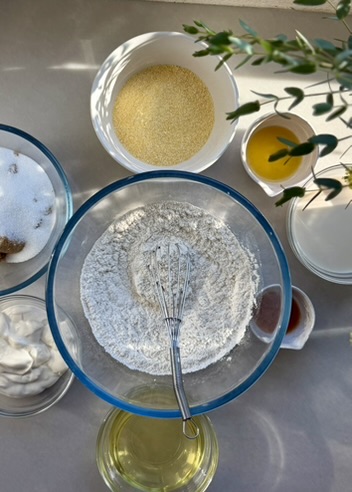
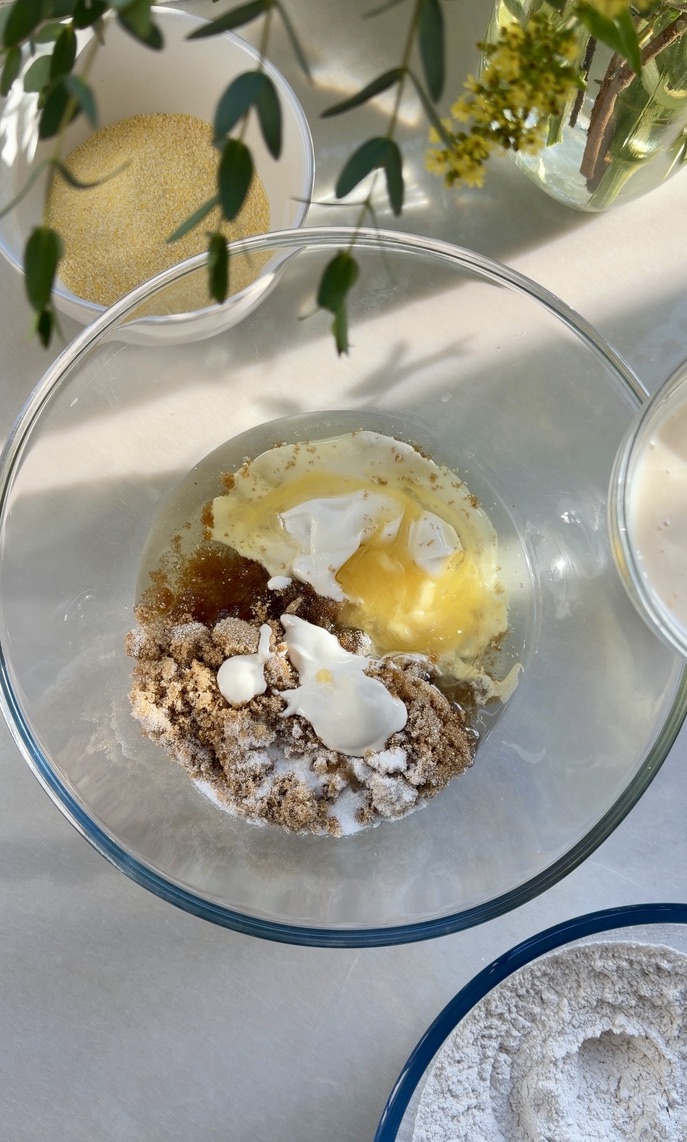
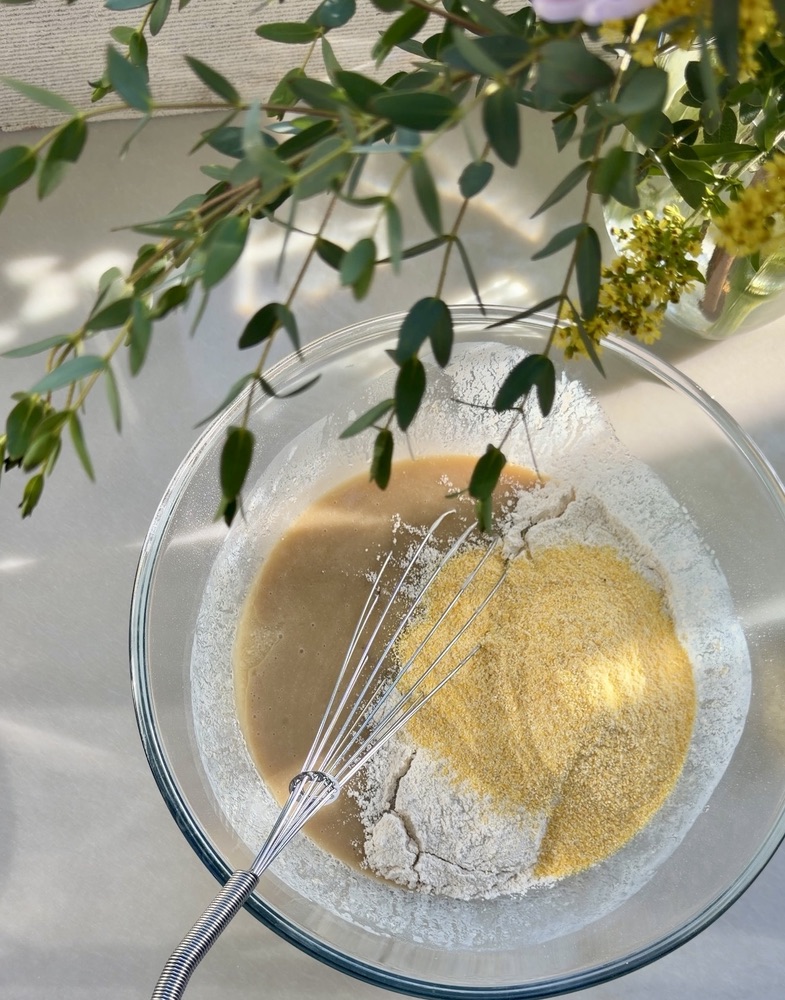
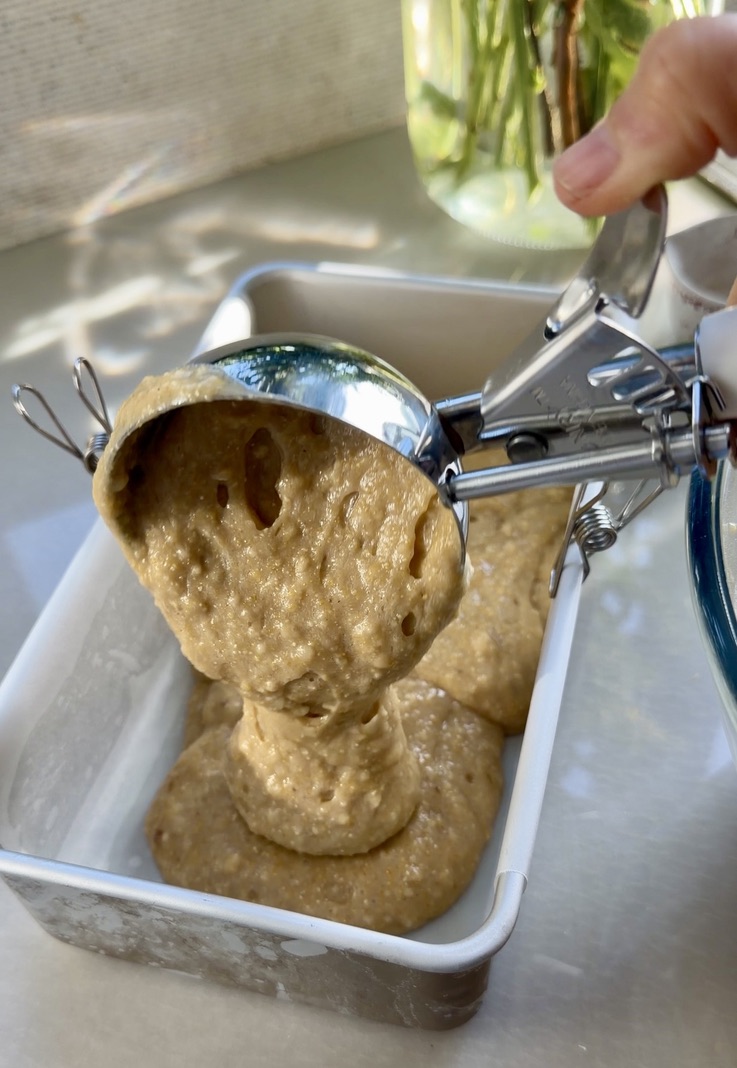
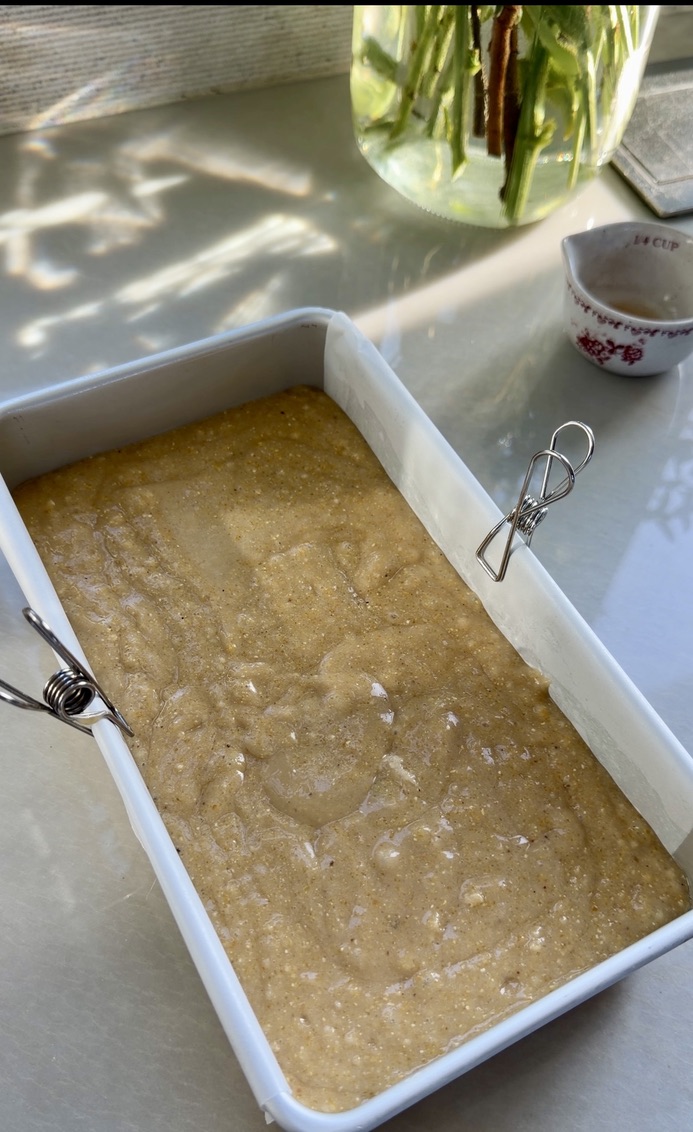
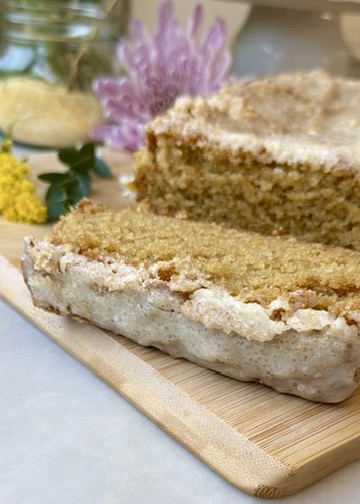
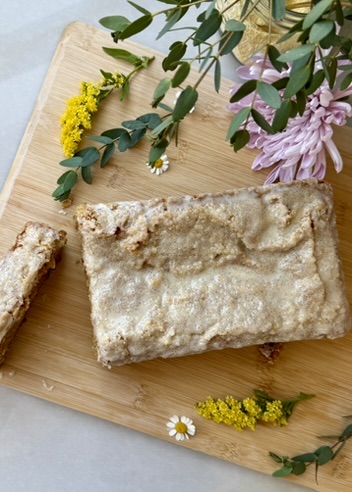
From Instagram
Watch the reel
See the batter, sugar crust, and finished cornbread donut loaf before you make it.
Open the reelSmall things that matter
Tips for the best loaf
Use finely ground cornmeal for the softest texture.
Do not skip the 5-8 minute batter rest. It helps hydrate the cornmeal before the loaf goes into the oven.
Sprinkle the sugar crust evenly all the way to the edges so every slice gets a little crunch.
Use internal temperature for doneness when you can. This loaf is done around 205-210°F.
Let the loaf cool in the pan for 60-90 minutes. This is the loaf in the series where the longer pan rest really helps the crumb hold together.
Chill before slicing if you want the cleanest pieces.
Before you slice
Texture and serving notes
This loaf is easiest to slice after it has chilled and set, then rested briefly at room temperature before serving.
The glaze is optional. Without it, the sugar crust is more prominent; with it, the loaf leans more donut-like.
If glazing, spoon it over while the loaf is slightly warm so it settles into the top. Use as much as you like; the full amount simply gives you enough room to coat the loaf easily.
Keep it good
Storage
Counter
Store covered at room temperature for up to 1 day.
Airtight
Refrigerate in an airtight container for up to 4 days.
Fridge
Let chilled slices sit at room temperature before serving for the best texture.
Recipe FAQ
Questions that come up
How do I know when Cornbread Donut Loaf is done baking?
Use the visual cues in the recipe first, then check the center. Loaves can take longer depending on your oven and pan material, so do not be surprised if you need a few extra minutes.
Which brands work best for Cornbread Donut Loaf?
Only for the ingredients where brand choice changes texture, set, or flavor. Those are listed in the brand notes on this page so you know where to be more specific and where you have room.
How full should I fill the loaf pan for Cornbread Donut Loaf?
I do not recommend filling the pan above about 2/3 full. It is better to have a little batter left over than to risk overflow, especially with rich loaves.
Why is my donut loaf taking longer to bake?
That is normal. My oven runs fast, so the lower end of the bake-time range reflects that. If your oven runs slower, use the higher end of the range and keep baking until the visual cues line up.
How should I store Cornbread Donut Loaf?
Store covered at room temperature for up to 1 day.